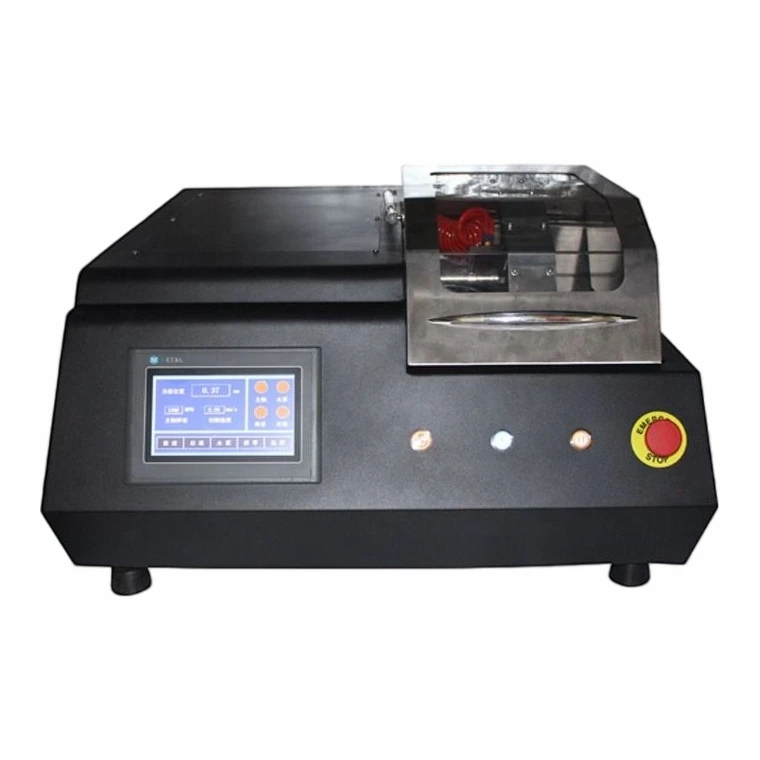

Industry standards for metallographic sample preparation equipment primarily address aspects such as preparation methods, equipment safety, processing quality, and the consistency of test results. In practice, the technical requirements for various stages-such as cutting, mounting, grinding, and polishing-differ; therefore, equipment selection should not rely solely on technical specifications but must also align with the specific metallographic inspection and material standards being applied.
Common standards governing metallographic sample preparation include national standards, industry standards, and relevant international standards. These standards outline specific requirements for sampling, cutting, mounting, grinding, polishing, and subsequent microscopic examination. Specialized standards may also exist for specific materials-such as iron and steel, non-ferrous metals, or welded joints-and for particular testing objectives; consequently, enterprises must determine the applicable standards based on the product type and the specific tests to be performed.
Regarding the equipment itself, the primary focus is on processing capabilities and safety performance. For instance, metallographic cutting machines must ensure a stable cutting process and be equipped with necessary protective guards and cooling systems. Grinding and polishing equipment requires stable rotational speeds and a reliable platen structure, while automated systems must ensure precise control over parameters such as pressure, processing time, and fluid delivery. Ultimately, for both laboratories and manufacturing enterprises, the equipment's processing performance must meet the sample preparation requirements stipulated by the relevant standards.